

Taking Healthcare to the Next Level: Wearable Device Monitoring and Kind Health Group
November 14, 2023
Taking Healthcare to the Next Level: Wearable Device Monitoring and Kind Health Group
In the fast-paced world we live in, technology continues to revolutionize various aspects of our lives, and healthcare is no exception. The integration of biometric wearables has opened up new possibilities for monitoring and managing our health like never before. At the forefront of this groundbreaking wave is Kind Health Group, a leading healthcare group committed to bringing cutting-edge advancements to patient care.
Biometric wearables, such as smartwatches and fitness trackers, have become increasingly popular among health-conscious individuals. These devices go beyond simply telling time or tracking steps; they now have the capability to monitor a wide range of vital signs and health parameters. These wearables can track heart rate, sleep patterns, temperature, stress levels, and so much more. It provides valuable insights into our overall health and well-being which we can use as a tool when managing your healthcare.
By leveraging biometric wearables, Kind Health Group is revolutionizing the way healthcare is delivered. With their forward-thinking approach, they are utilizing these devices to collect real-time data on patients' health and make more informed decisions. This proactive approach allows for early detection of potential health issues, enabling timely interventions and personalized treatment plans.
One of the key advantages of biometric wearables is their ability to promote patient engagement and empowerment. With access to their own health data, individuals are motivated to take an active role in managing their well-being. They can set personal goals, track their progress, and make informed lifestyle choices based on the insights provided by these devices. Kind Health Group recognizes the importance of patient empowerment and encourages their patients to embrace the potential of biometric wearables to improve their health outcomes.
Moreover, biometric wearables offer convenience and accessibility, allowing healthcare providers like Kind Health Group to offer remote monitoring and virtual consultations. Patients can share their biometric data with healthcare professionals remotely, enabling timely interventions and reducing the burden on both patients and providers. This innovative approach saves time and resources while ensuring that patients receive the care they need, regardless of their physical location.
As a forward-thinking healthcare provider, Kind Health Group is fully embracing the potential of biometric wearables. By incorporating these devices into their practice, they are fostering a patient-centered approach that focuses on prevention, early intervention, and personalized care. Their team of dedicated healthcare professionals understands the value of combining technology with human expertise to deliver the best possible outcomes for their patients.
If you're looking for a healthcare provider that is committed to staying at the forefront of medical advancements, look no further than Kind Health Group. With their expertise in biometric wearables and patient-centered care, they are well-equipped to take your healthcare experience to new heights. To learn more about the services they offer or to schedule a consultation, call Kind Health Group at 760-701-5463 or text us at 760-492-7986.
At Kind Health Group, we believe in harnessing the power of technology to enhance your well-being. Join us in embracing the potential of biometric wearables and experience a new era of healthcare.
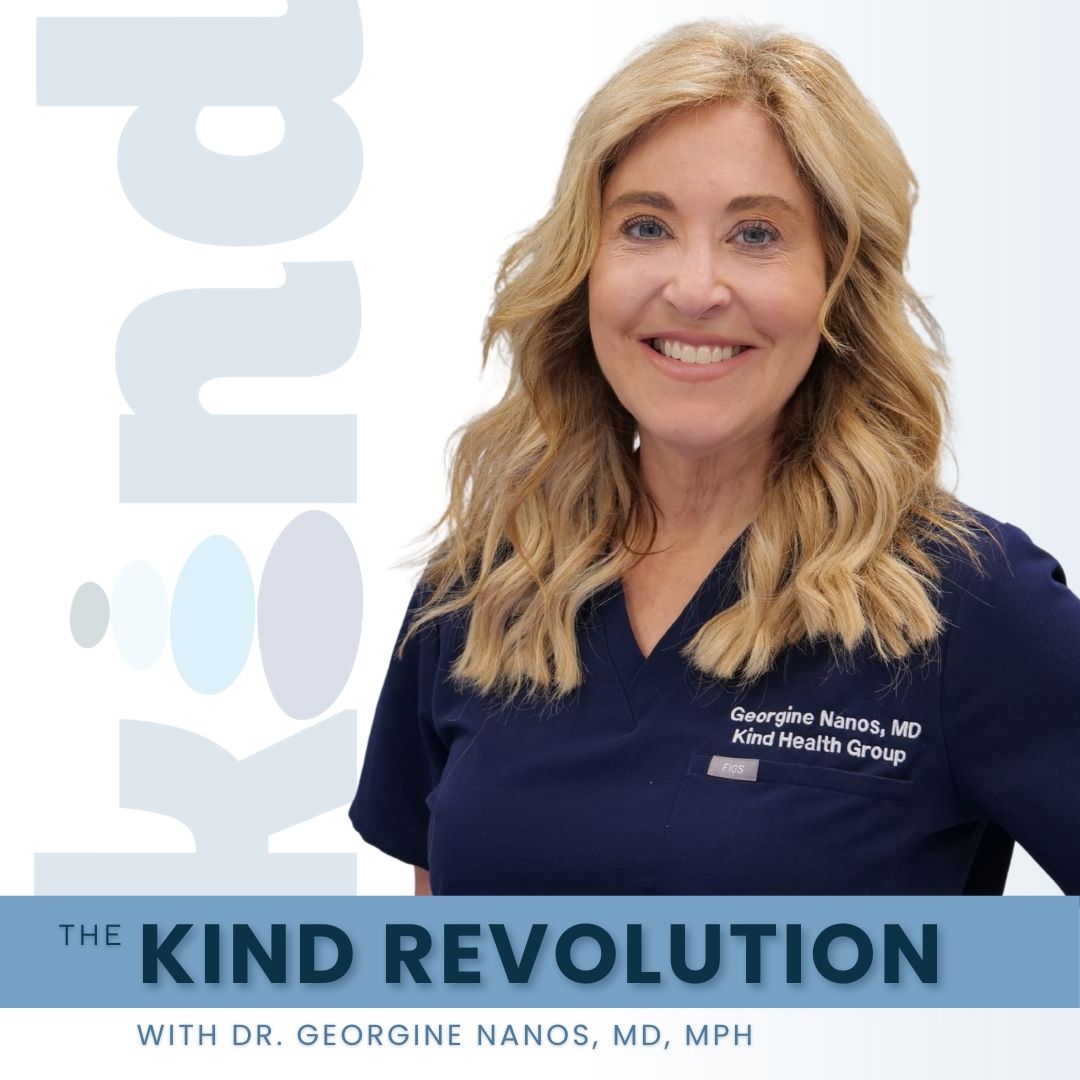
Meet the Author

You might also enjoy:

Dr. Georgine Nanos sits down with Dr. Milind Parikh, board-certified cardiologist, to talk about what coronary imaging can and cannot tell you, and why he thinks cardiology should look

61.8 percent of US women report urinary incontinence. What the laugh test measures, the sign it is already costing you, and what to try first.

Perimenopause starts long before hot flashes. Dr. Nanos on the cycle changes, sleep, mood and bleeding signs that tell you it has begun.

Dr. Georgine Nanos sits down with Kyle Hartfield, founder of iTalk TMS, a patient-facing advocacy platform he built because he could not stand a minute of the existing content about it.